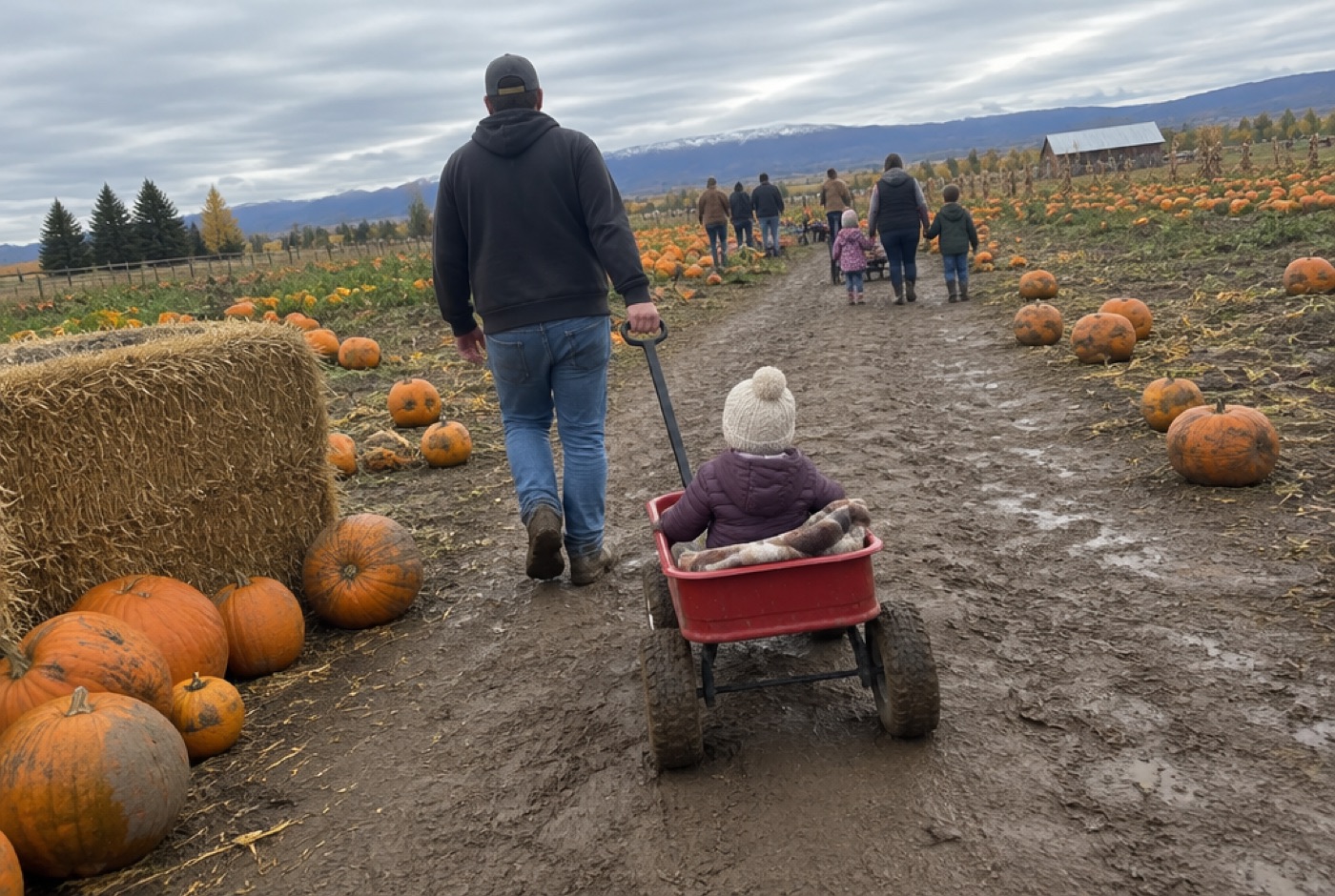
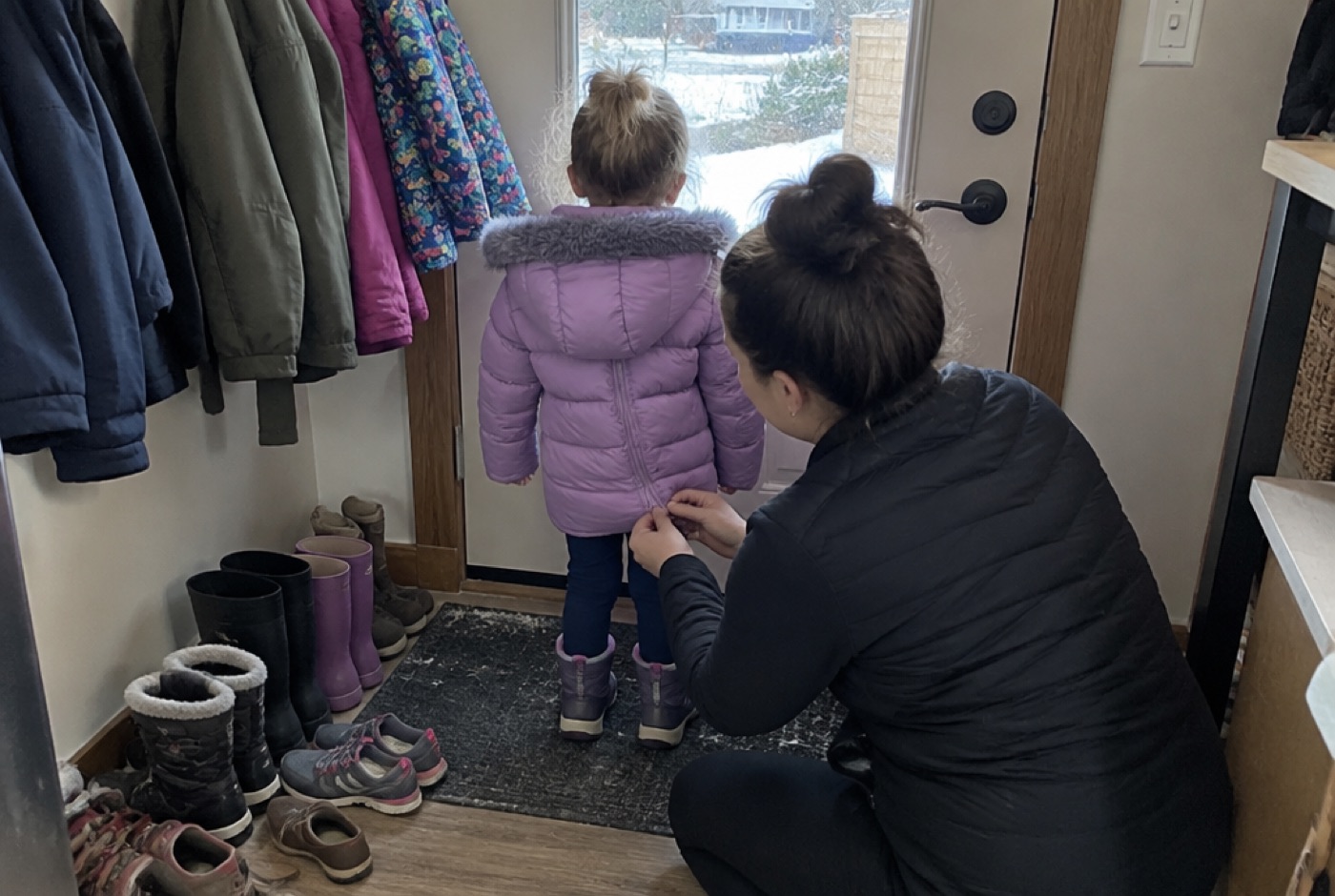
You can feel it in the mornings now. The frost is back on the windshield, and it will not be long before Rexburg sees its first real snow. That does not mean outdoor play has to stop. With the right layers, kids can be warm, dry and happy outside well into the winter.
Here is what actually works, and one car seat safety tip a lot of parents have never heard.
Layers beat bulk
Thin layers trap warm air better than one thick coat, and they let you add or remove a layer as the day warms up or cools down. The American Academy of Pediatrics recommends dressing babies and young children in one more layer than an adult would wear in the same weather.
A simple layering system:
- Base layer: thin, snug fitting leggings or tights and a long sleeve top
- Middle layer: warmer pants and a sweater or fleece
- Outer layer: a water resistant coat and snow pants if there is snow on the ground
The car seat safety rule most parents do not know
This one surprises a lot of families. A bulky winter coat should never go underneath the car seat harness straps. In a crash, puffy padding flattens out almost instantly, which leaves extra slack under the harness and lets a child slip partway or all the way out.
The AAP suggests a quick pinch test. Buckle your child in wearing their coat, tighten the harness until you cannot pinch any slack in the straps, then take the coat off without loosening the harness and buckle your child back in. If you can now pinch slack in the straps, the coat is too bulky to wear underneath the harness.
The fix is simple. Dress your child in thin layers for the car, then either lay a blanket over the buckled harness or put the coat on backwards, over the straps, once your child is buckled in. You can find the full guidance from HealthyChildren.org.
Do not skip the hat, mittens and real boots
Hands, feet, ears and noses lose heat fastest, so these small pieces matter more than they seem to.
- A hat that covers the ears, every time the temperature drops
- Mittens over gloves for younger children, since mittens keep little fingers warmer and are much easier to get on
- Waterproof boots rather than sneakers once there is snow, slush or standing water
- A dry pair of socks and mittens in the bag, because wet ones stop working
Know the signs of frostbite
Frostbite happens when skin and the tissue underneath start to freeze, most often on fingers, toes, ears and noses. According to the AAP, the skin may look pale or gray, and your child may say it feels numb or like it burns. If you notice any of these signs, bring your child inside right away, warm the area gently, and call your pediatrician if you are not sure how serious it is. This is a judgment call worth making with your child's doctor rather than guessing.
Watching the weather
There is no single rule for exactly how many minutes is too many minutes outside. Wind, sun and how active your child is all change how cold a day actually feels. A good habit is to check in on hands, cheeks and the tip of the nose every so often, and head in for a warm up if anything feels cold to the touch or your child seems uncomfortable rather than just excited about the snow.
Idaho weather can turn fast, especially heading into fall and winter. Keeping a spare set of warm layers, mittens and dry socks in your child's bag makes an unexpected cold snap a lot less stressful for everyone.
Cold weather in Rexburg is not a reason to stay indoors all season. With good layers, the right gear and an eye on how little hands and faces are doing, kids can still get the outdoor time they need, even once winter really sets in.