If it feels like your child has had a runny nose since the leaves started turning, you are not imagining it. Fall is when cold and flu season really gets going, and group care settings like daycare and preschool are where a lot of those germs get shared. Here is what is actually happening, and how you can help.
Why illness picks up this time of year
Cooler weather means more time indoors, closer together, which gives viruses more chances to spread from child to child. The American Academy of Pediatrics notes that whenever children are together, there is a chance of spreading infections, especially among infants and toddlers who are likely to wipe their nose or rub their eyes and then handle toys or touch other children.
It also helps to know that children in child care often catch more colds than children who stay home, particularly in the first year or two. That is not a sign anything is wrong. Young immune systems are still learning to recognize germs, and each cold is part of that process. Most families notice it evens out as children get older.
What is common in the fall and winter months
The usual suspects this time of year are colds, stomach bugs and the flu. Respiratory syncytial virus, or RSV, also circulates more in fall and winter and can hit babies and toddlers harder than older kids. If you want to read more about any of these, the CDC and healthychildren.org are both reliable places to start, and your pediatrician's office is always the right call for anything specific to your child.
Simple habits that make a real difference
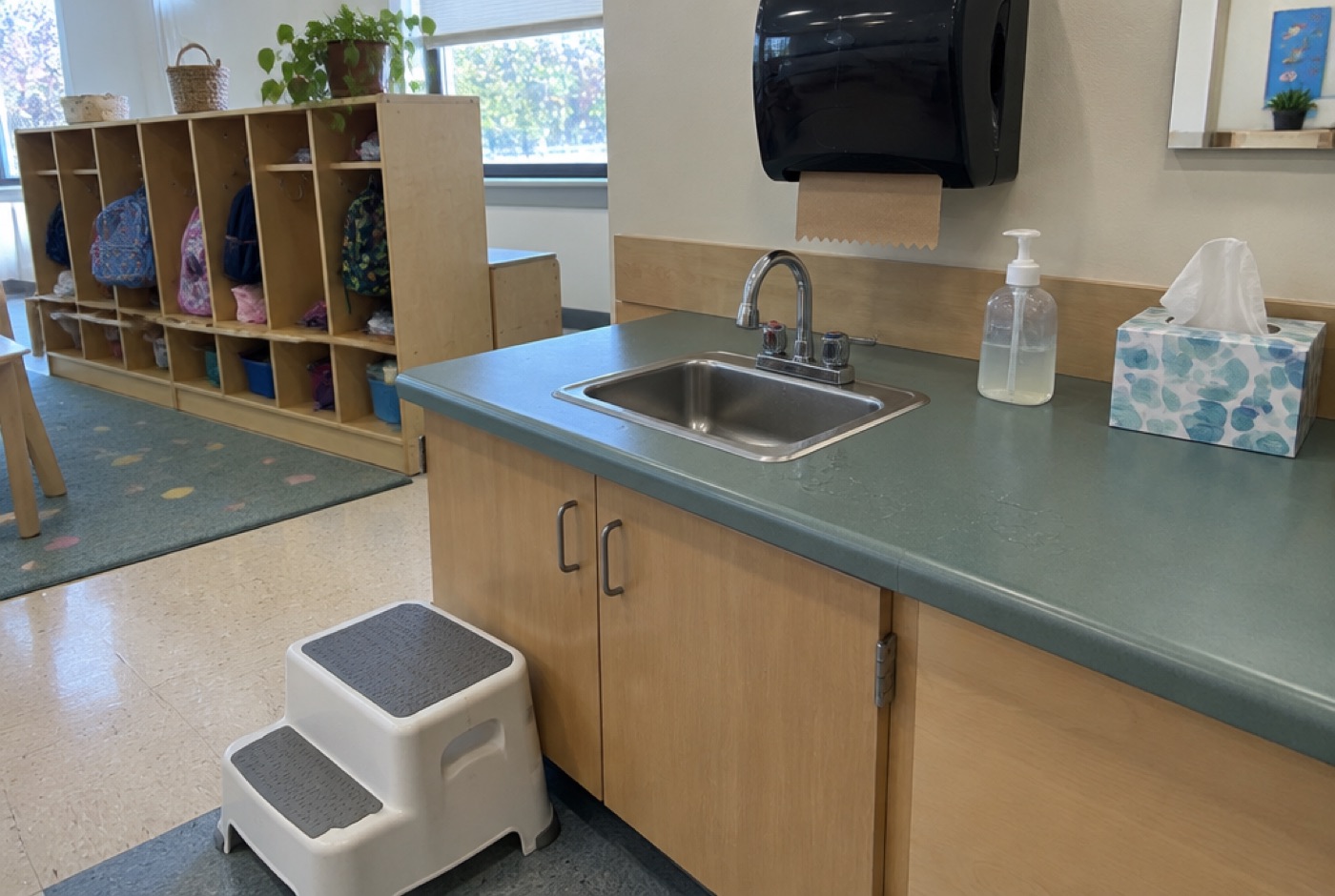
- Handwashing is still the single best tool we have. The CDC recommends washing with soap and water for at least 20 seconds, especially after using the bathroom, before eating and after playing. When soap and water are not available, hand sanitizer with at least 60 percent alcohol is a reasonable backup, though it will not remove every kind of germ.
- Cover coughs and sneezes with an elbow rather than a hand, and teach little ones to do the same as they are able.
- Get the flu vaccine. The AAP recommends yearly flu vaccination for everyone six months and older as one of the most effective ways to protect a family through respiratory season.
- Keep up with regular sleep and meals. A rested, well fed body handles germs better.
- Wipe down shared surfaces and toys at home the same way a good classroom does.
When to keep your child home
This is the part parents ask us about most, and it is worth having a clear rule in your head before the phone rings. According to healthychildren.org, a child should stay home with a fever, vomiting or diarrhea, and should be symptom free for at least 24 hours before returning to group care. A child who is too tired or uncomfortable to take part in normal activities, or who has a cough or runny nose that cannot be managed, also needs a day to rest.
A plain runny nose with no fever, in an otherwise happy and active child, is usually fine for daycare. It is the fever, vomiting, diarrhea and overall misery that mean it is time to stay home.
If you are ever unsure whether your child is well enough for a day of group care, it is always fine to ask. Sending a child home who is not feeling well protects them and every other child and teacher in the room, and a good child care provider will always work with you on it.
When to call the doctor
Trust your gut here. A fever in a baby under three months old, any trouble breathing, signs of dehydration, a fever that will not come down, or a child who just seems "off" in a way you cannot quite explain are all good reasons to call your pediatrician. This is a judgment call only your child's doctor can make, and it is always worth the call.
The season will pass
It can feel relentless in October and November, especially with a first child in group care. Most families see fewer sick days as the year goes on and as little immune systems build up their defenses. In the meantime, good handwashing, a flu shot, enough sleep, and a clear plan for sick days go a long way toward keeping your whole family healthier through the season.